

Table of Contents
University of North Carolina at Chapel Hill asks NO required supplemental essays of all first-year applicants this cycle [1]. Instead, the workload of 1 essay totalling about 500 words depends entirely on whether you select an Assured Enrollment program. This guide covers the single optional prompt for those specialized tracks, though UNC may ask ADDITIONAL essays if you apply to other specific programs or colleges.
The optional space below allows you to share why you’re interested in the assured enrollment program(s) you’ve selected and how they align with your educational goals. (500 words)
What this prompt is really asking: Assured enrollment guarantees your admission into a competitive professional school (like Business or Nursing) as a high school senior, bypassing the stressful sophomore-year application process that most UNC students face. Because these programs commit a scarce spot to you early, this essay tests your professional maturity. Admissions officers want to verify that your career goals are concrete enough to justify skipping the traditional period of academic exploration.
A strong approach:
- Define the end goal first. Anchor the essay in the specific academic or career outcome you want to achieve. You need to prove that you are choosing this track for the curriculum itself, rather than just the prestige of a guaranteed spot.
- Connect past to future. Draw a direct line between the extracurriculars you have already completed and the specialized coursework of the assured program. Show how your previous steps make this the logical next leap.
- Leverage the word count. A 500-word limit gives you ample room to name specific professors, clinical rotations, and upper-level seminars within the professional school. Detail the resources you plan to use.
- Acknowledge the cohort. Address the unique advantages of being an Assured Enrollment student. Mention early access to specialized advising and cohort seminars that standard first-year students do not get.
Most common mistakes:
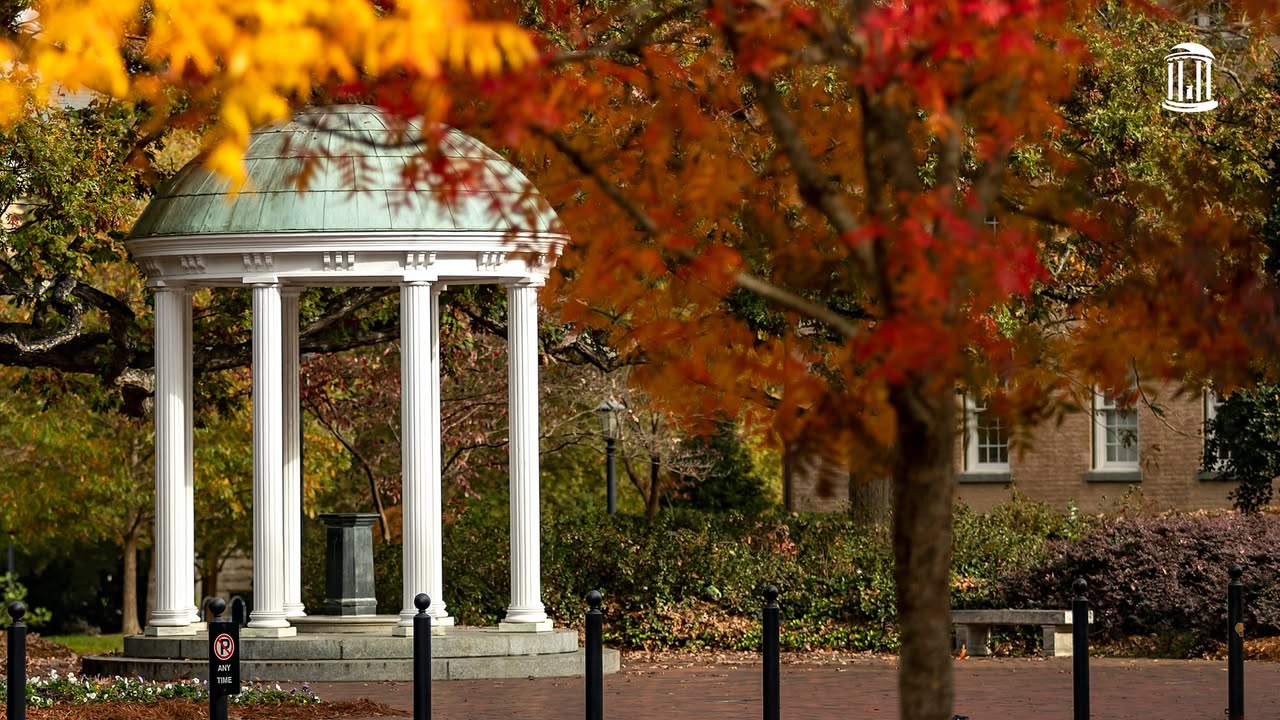
- Writing a general campus tribute. This space is not for praising the Old Well, Franklin Street, or the broader UNC campus culture. It requires strict focus on the specialized program itself.
- Ignoring a second choice. If you select more than one assured program on your application, dedicating 450 words to Business and only 50 to Public Health creates a lopsided argument that undermines both choices.
- Sounding painfully rigid. While you need a clear professional direction, claiming that you have every single credit hour of the next four years planned out can seem naive. Show conviction while leaving room for intellectual growth.
References
Related Articles

3 Types of Students That Got Into University of North Carolina at Chapel Hill
A deep dive into three real, verified student profiles accepted to UNC Chapel Hill, analyzing the exact activities and spikes that led to admission.
What University of North Carolina at Chapel Hill Actually Looks For
UNC Chapel Hill admissions can feel like a black box. This guide breaks down exactly what the university values most, from 'Very Important' factors like your essay and GPA to things they don't consider at all.
UNC Acceptance Rate: Class of 2030 (Latest)
UNC's acceptance rate was 15.3% for the Class of 2028, the latest official figures. See the trend by year and what to expect for the Class of 2030.
How to Get Into UNC Chapel Hill: Extracurriculars and 'The Carolina Way'
Admitted students to UNC boast a 4.63 GPA, but 'The Carolina Way' requires more. Discover the specific Tier S extracurriculars, from community health initiatives to inclusive leadership, that separate the admitted from the rejected.
College Virtual Tours: Walk 400+ Campuses in 360
Browse 360 degree virtual campus tours for hundreds of US colleges, and see each school's stats, deadlines and admitted students alongside the tour.

WashU Supplemental Essays 2026–27: Prompts & Tips
Learn how to tackle the Washington University in St. Louis (WashU) supplemental essay prompt with our comprehensive guide.