Table of Contents
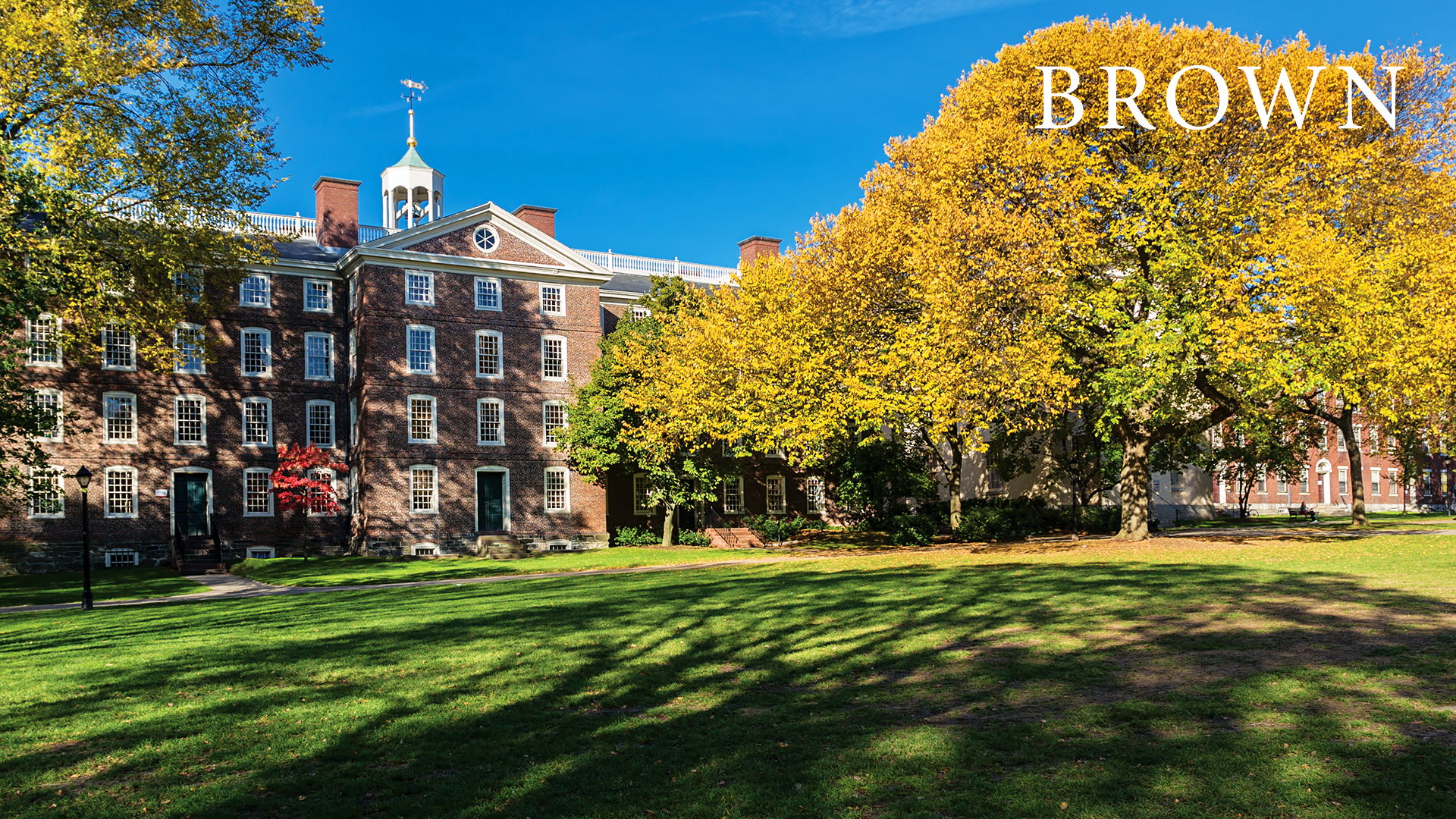
Applying to Brown University is unlike applying to any other Ivy League school. While other institutions might look for the "well-rounded student" or the "angular specialist," Brown looks for something slightly different: the self-directed intellectual.
Brown is famous for its Open Curriculum—a system where students have no core requirements and design their own education. Because of this, admissions officers are hunting for students who have already demonstrated the ability to guide their own learning, bridge disparate fields, and impact their communities with genuine enthusiasm. They don't just want smart students; they want "happy," curious, and kind students.
Our analysis of real successful profiles from the Uncommon App database reveals exactly what kind of activities move the needle for Brown.
The Brown University Extracurricular Tier List
Brown values interdisciplinary work and community impact more than almost any other elite school. A student who combines two unrelated interests (e.g., Music + Computer Science) often fares better than a student with a generic "President of X Club" title.
- S-Tier (Green): Interdisciplinary Projects (e.g., AI for Art), Social Justice Leadership with Policy Change, Niche Cultural/Intellectual Pursuits.
- Why: Activities that bridge gaps or show intense, self-directed curiosity.
- A-Tier (Blue): Research with Publication, Founder of Service Org, State/National Arts Awards.
- Why: High-level commitment and recognized excellence.
- B-Tier (Orange): School Club President, Varsity Sports Captain, Standard Volunteering.
- Why: Strong leadership, but common among applicants.
- C-Tier (Red): General Member of Clubs, Short-term Service Trips.
- Why: Low impact or passive participation.
1. The "Open Curriculum" Activities: Interdisciplinary & Creative
Since Brown students must design their own majors, the best extracurriculars prove you have the creativity to connect dots that others don't. You don't need to be just a "science kid" or an "art kid"—be both.
Real Successful Examples:
- Cross-Cultural Music Ensemble: One admitted student didn't just play in the band; they "combined traditional Jewish and Naga musical elements," mastering the shofar and bamboo flute to perform at cultural events.
- Animated Music Video Club: Another student founded a club uniting animators and musicians to produce music videos for local artists. This blends tech, art, and community support.
- Bioinformatics Club: A student co-founded a club that didn't just study biology, but "organized coding workshops" and developed a "basic health-tracking app."
Why this works: These activities show you aren't waiting for a syllabus to tell you what to learn. You are actively synthesizing different fields—a perfect predictor for success in the Open Curriculum.
2. Intellectual Curiosity & Research
Brown students are famously intellectual. They love learning for the sake of learning. However, you don't need to cure a disease to get in. You just need to show that you take your intellectual interests seriously and share them with others.
Real Successful Examples:
- Neuroscience Club President: This student organized a "brain awareness campaign" reaching 200+ students and secured a $500 grant for equipment.
- Graphic Design for Advocacy: A student used their design skills to create bilingual posters and newsletters for an Asian American Cultural Center, increasing engagement by 25%.
Insight: Notice that these students didn't just "do research." They applied their intellectual passion to the real world (grants, campaigns, community outreach).
3. Community Impact: The "Happy Ivy" Factor
Brown is often called the "Happy Ivy," and its students are known for being collaborative and socially conscious. Admissions officers look for students who look outward, not just inward at their own achievements.
Real Successful Examples:
- Water Purification Campaign: A student created infographics in three languages and helped implement filtration systems in 5 schools.
- Harmony Through Art: A student led free animation and music workshops for underprivileged youth, empowering them to express themselves.
- Community Translator: Serving as a translator for immigrant families to help them navigate social services and healthcare.
The Key Difference: Standard volunteering involves showing up and clocking hours. Brown-tier volunteering involves identifying a specific need in your community and using your unique skills to solve it.
By The Numbers: Benchmarks for Brown
While extracurriculars are the "soul" of your application, the academic "body" must still be strong. Brown is highly competitive, and our data confirms the high statistical bar.
- Acceptance Rate: ~6%
- Average SAT: 1540
- Average ACT: 35
- Average GPA (Unweighted): 4.04
Our Analysis: The average admitted student in our database has near-perfect stats. However, with an acceptance rate of 6%, high stats are just the ticket to enter the lottery. Your extracurricular "story" is what actually gets you selected.
How to Write About Your Activities (The "Why Brown" Factor)
Your list of activities is only half the battle; how you describe them in your essays matters immensely. Brown's supplemental essays often ask about your community and your intellectual drivers.
From the Essays of Admitted Students:
One successful applicant described their background not just as a fact, but as a driver for their worldview:
"My journey... has instilled in me a unique perspective... Having navigated the complexities of straddling two cultures, I can offer insights into cross-cultural understanding... I want to create spaces for open dialogue."
Another student connected their family life to their intellectual growth:
"Our dinner table was a forum for intellectual discourse, where we debated everything from scientific discoveries to philosophical concepts."
Actionable Advice:
- Don't Brag, Reflect: Instead of listing awards, explain why you did what you did.
- Focus on Collaboration: Brown loves collaboration. Highlight times you worked with others, not just times you led them.
- Link to Learning: Show how your activity changed the way you think about the world.
Next Steps
- Audit your ECs: Do you have an activity that blends two interests (e.g., Coding + Social Justice)? If not, can you start one?
- Go Deeper, Not Wider: Brown prefers "pointed" applicants. Instead of joining a 10th club, take your primary interest to the next level (e.g., publish your research, turn your club into a non-profit).
- Check the Fit: Ensure your application highlights self-direction. Show them you are ready to be the architect of your own education.
Related Articles
What Brown Actually Looks For in Extracurriculars
Learn exactly what Brown University admissions officers look for in extracurricular profiles, including S-Tier activities and Open Curriculum strategies.
3 Types of Students That Got Into Brown University
Take apart the actual activities, scores, and awards of three distinct students admitted to Brown University to show what works in practice.
Brown Supplemental Essays 2026–27: Prompts & Tips
Learn how to tackle the Brown University supplemental essays with our complete guide, covering the four prompts required of all first-year applicants.
Brown Acceptance Rate: Class of 2030 (Latest)
Brown admitted 2,564 of 47,937 applicants to the Class of 2030, a 5.35% acceptance rate. Full admissions statistics and trends.
What Brown University Actually Looks For
Struggling to understand Brown's admissions process? This deep dive reveals the 'very important,' 'important,' and 'considered' factors that shape their decisions.

Best Extracurriculars for Applying to Vanderbilt University
Vanderbilt fosters a campus culture that is uniquely collaborative and service-oriented. Our analysis reveals that Vanderbilt values active citizenship and interdisciplinary impact over passive membership.