



Table of Contents
At the University of Missouri (Mizzou), the role of extracurriculars is unique compared to other large public universities. For general undergraduate admission, Mizzou operates as a largely "numbers-driven" institution where your GPA and standardized test scores (if submitted) carry the primary weight in the decision-making process. However, the paradigm shifts dramatically for students aiming for the top of the applicant pool. If you are applying to the world-renowned School of Journalism, the Sinclair School of Nursing, or the Honors College—and especially if you are competing for premier scholarships like the Stamps Scholarship—your extracurricular profile becomes the critical deciding factor.
Mizzou prides itself on the "Missouri Method": the philosophy of learning by doing. Our analysis of successful applicants and scholarship winners reveals that the most competitive students do not simply "join" clubs; they gain hands-on, practical experience that mirrors their intended professional fields. This guide breaks down exactly how to structure your activities to catch the eye of Mizzou’s specialized admissions committees.
Mizzou Extracurricular Tiers
To understand how the university views your involvement, it is helpful to categorize activities into tiers based on their impact on Honors College admission and competitive scholarship selection.
Tier S: Elite Leadership & Professional Output
- Editor-in-Chief of a high-circulation school newspaper or digital publication.
- FFA State or National Officer.
- Stamps Scholars Candidate or Finalist.
- Founder of a registered service non-profit with documented community impact.
- Significant internship with a professional news agency or medical research facility.
Tier A: Proven Commitment & Regional Recognition
- HOSA State Placer or leadership role.
- Eagle Scout or Gold Award recipient.
- Varsity Captain of a state-contending sports team.
- Extensive Clinical Shadowing (50+ hours for Nursing/Pre-Med).
- 4-H Leadership positions at the county or state level.
Tier B: Reliability & Time Management
- Staff writer for a yearbook or literary magazine.
- Club Officer roles in organizations like NHS or Student Council.
- Consistent Part-Time Work (e.g., 10+ hours a week for over two years).
- 3-Year Varsity Athlete.
- Volunteer Firefighter or First Responder trainee.
Tier C: Basic Participation
- General membership in various school clubs.
- Occasional weekend volunteering.
- Summer camp attendee (without a leadership role).
- Social media hobbyist without a professional portfolio.
1. The "Missouri Method": Professional-Grade Extracurriculars
Mizzou is globally recognized for its School of Journalism, which pioneered the concept of professional training within an academic setting. Admissions committees for these competitive programs are not looking for potential alone; they are looking for students who have already begun practicing their craft. This is the essence of the Missouri Method.
For Journalism applicants, simply being a member of a journalism club is insufficient for the highest honors. Our data shows that students who lead their school's digital or print newspaper, manage a sports broadcast team that mimics Mizzou’s own "Friday Night Fever" high school coverage, or produce independent documentary series are significantly more likely to receive departmental scholarships. They want to see that you can handle a camera, write under a deadline, and understand the ethics of storytelling before you even step foot in Neff Hall.
Similarly, for students looking toward the College of Agriculture, Food and Natural Resources (CAFNR), Mizzou’s deep land-grant roots come into play. Significant involvement in FFA or 4-H is highly valued. Specifically, students who have excelled in Supervised Agricultural Experiences (SAE) or reached state-level leadership positions are viewed as having the "Missouri grit" necessary for success in agricultural research and business.
In the Sinclair School of Nursing, which is one of the most selective programs on campus, the Missouri Method translates to clinical exposure. Successful applicants often hold CNA (Certified Nursing Assistant) certifications or have logged substantial hours of shadowing. Leadership roles in HOSA (Future Health Professionals) further demonstrate a commitment to the healthcare field that goes beyond the classroom.
2. Service and Community Impact
As a land-grant institution, the University of Missouri has a mission to serve the citizens of the state and the world. This is reflected in the student body, which collectively contributes over 250,000 hours of community service annually. However, for the purposes of a competitive application, the quality and sustainability of your service matter far more than the quantity of hours.
Instead of racking up hundreds of disconnected service hours at various events, focus on a singular cause. Our analysis of University of Missouri scholarship winners indicates a strong preference for students who identified a specific community need—such as a local food desert, a lack of literacy resources, or a gap in youth mentorship—and created a sustainable program to address it. For example, rather than just "volunteering at a local library," a Tier S activity would involve "Launching a 'Mobile Library' program that delivered over 500 books to underprivileged rural neighborhoods and secured local business sponsorships for long-term funding."
3. Leadership in School Spirit and Community Building
Mizzou famously claims to be the birthplace of the modern Homecoming tradition. Because of this, the university values "Tigers" who demonstrate an ability to build community and foster school spirit. Leadership in Student Council, the Marching Band, or Class Office is viewed through a specific lens: your ability to organize large groups, manage logistics, and create a sense of belonging for others.
If you are applying for the Honors College, use your resume to highlight how you managed people, budgets, or events. The Honors admissions committee isn't just seeking students with a 4.0 GPA; they are looking for "engaged citizens" who will take on leadership roles in campus organizations like the Missouri Students Association (MSA) or the Alumni Association Student Board. Demonstrating that you have already managed a budget for a school dance or led a band section of 40 people proves you have the social capital to succeed in Columbia.
Tips for the Mizzou Honors & Scholarship Resume
When applying to the Honors College or for the Stamps Scholarship, you are required to submit a comprehensive resume. This is a different beast than the Common App activities section, as it allows for much more detail.
First, focus on results over duties. Do not simply state that you were "responsible for taking notes" in a club. Instead, use active verbs and metrics: "Managed communications for a 50-member organization, implementing a new digital notification system that increased meeting attendance by 25%."
Second, highlight "Unique Traits." The Honors College explicitly seeks out students who bring a unique perspective to the community. If you have a niche interest—whether it's being a competitive birdwatcher, a vintage film restorer, or an expert in local history—make sure it is on your resume. This "personable" touch often serves as a conversation starter in scholarship interviews.
Third, quantify your work ethic. Mizzou deeply values the work ethic of the American Midwest. If you worked a part-time job at a local grocery store or farm for three years, that often carries more weight than an expensive two-week "leadership summit" in Europe. It shows you can balance responsibilities, deal with the public, and maintain a schedule.
Next Steps for Your Mizzou Application
To ensure your extracurricular profile is ready for Mizzou's top programs, follow these three steps:
-
Audit Your Major Match: If you are applying to a competitive major like Journalism, Nursing, or Business, ensure you have at least one Tier A or Tier S activity that is directly related to that professional field.
-
Professionalize Your Hobby: Take your existing interests to the next level. If you love photography, do not just keep it on your phone; build a professional digital portfolio or volunteer your services to shoot events for a local non-profit.
-
Draft Your Honors Resume Early: The deadline for the prestigious Stamps Scholarship is usually December 1st. You should begin drafting a professional one-to-two page resume in the summer before your senior year to ensure you have time to quantify your achievements and highlight your leadership roles effectively.
Related Articles
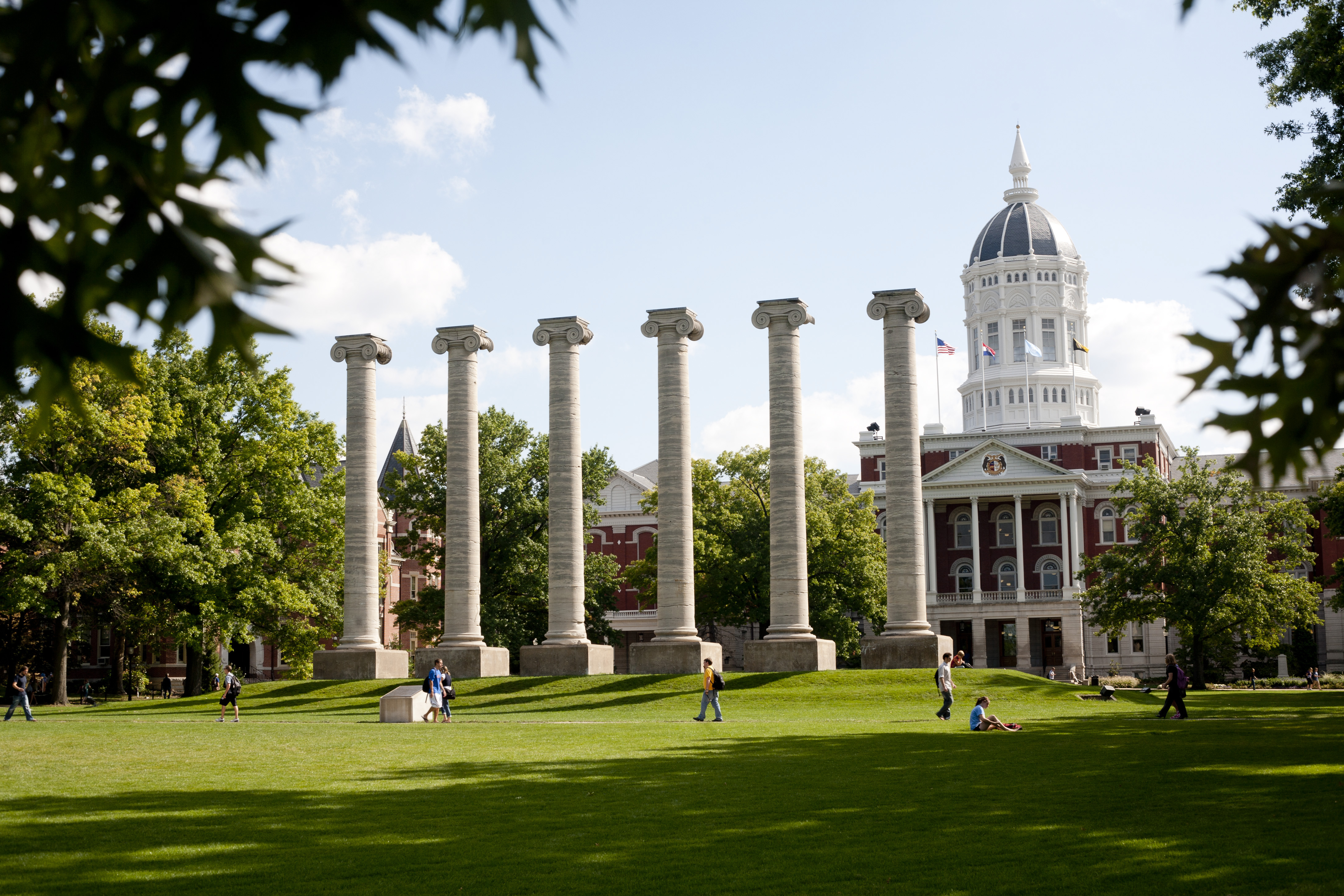
University of Missouri Acceptance Rate 2030 (Latest)
University of Missouri has a 78.5% acceptance rate. See admitted student test scores, yield, and what to expect for the Class of 2030.
What University of Missouri Actually Looks For
Getting into the University of Missouri means focusing on what truly matters to their admissions team. This guide breaks down the official data on which factors are very important, which are considered, and which you don't need to stress over.

The University of Utah Extracurricular Guide: What "The U" Values
Our analysis of successful applications to the University of Utah indicates that the 'U' values students who demonstrate a proactive, community-oriented mindset over passive prestige.

Cracking the UARK Code: The Ultimate Extracurricular Tier List for University of Arkansas Admissions
Getting into the University of Arkansas is one thing; getting into the Honors College or winning a Bodenhamer Fellowship is another. This guide ranks the extracurriculars that matter most to UARK admissions.
What Brown University Looks For: The Self-Directed Intellectual
Brown University seeks self-directed intellectuals for its Open Curriculum. Learn which extracurriculars stand out and how to frame your application.

Mastering the UT Austin Expanded Resume: A Guide to Extracurriculars
Applying to UT Austin requires more than just a list of clubs. Learn how to leverage the 'Expanded Resume' to showcase leadership and fit for the Longhorn ethos.