
Table of Contents
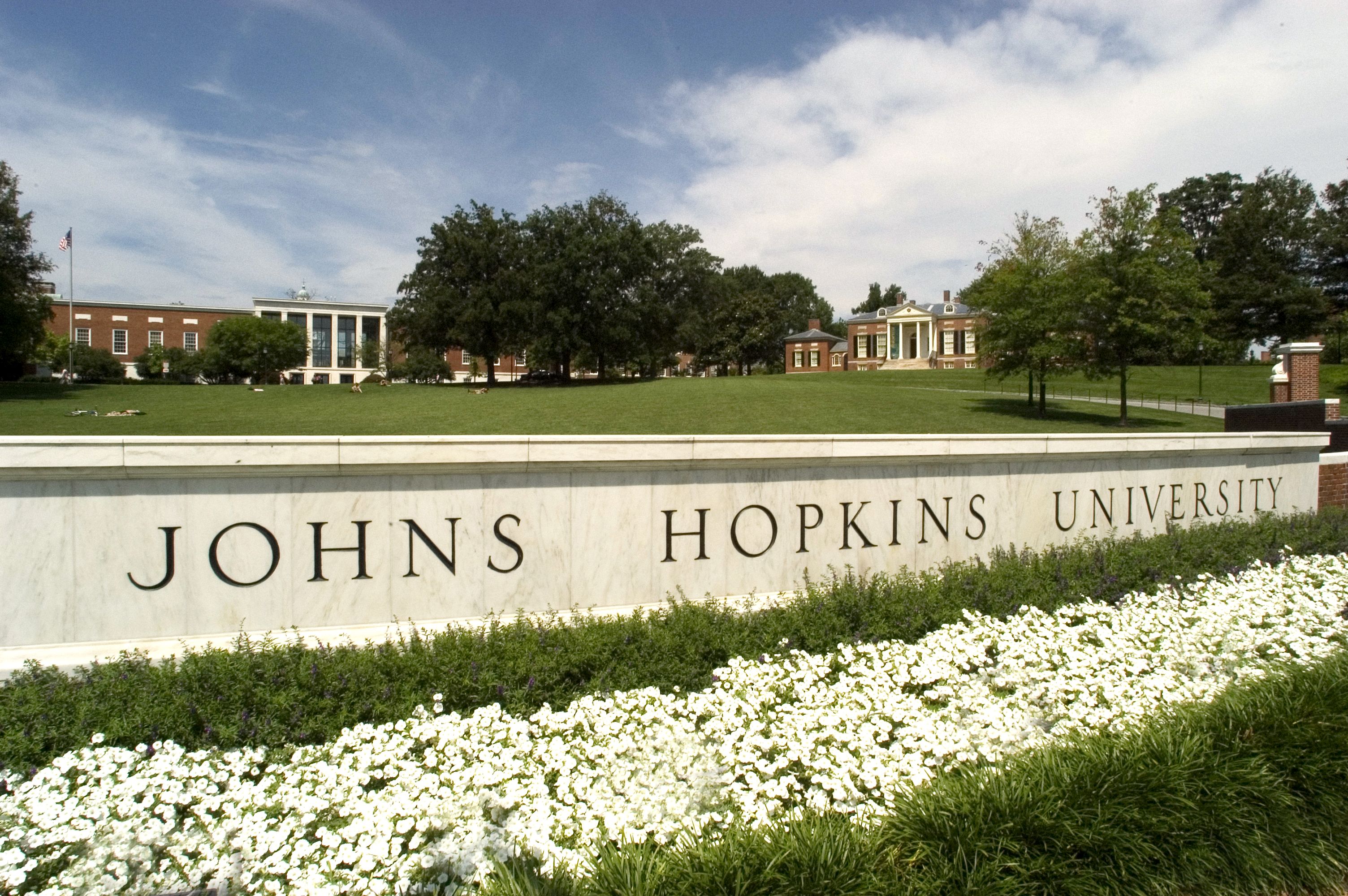
Applicants to Johns Hopkins University must write one supplemental essay of up to 350 words. This guide covers the core prompt every first-year applicant answers. Keep in mind that Johns Hopkins may require additional essays if you apply to specific specialized tracks like the Peabody Institute double degree programs. Because there is only one standard supplement, this single 350-word response carries immense weight in showing the admissions committee how you function within a group.
At Johns Hopkins, community is built through dialogue, collaboration, and a willingness to engage across differences. Whether on campus or in the broader world, community depends on bridge…
At Johns Hopkins, community is built through dialogue, collaboration, and a willingness to engage across differences. Whether on campus or in the broader world, community depends on bridge builders who can listen to differing perspectives, challenge their own assumptions, or work together toward shared goals. Drawing on your own experiences, what have you learned about engaging across differences and how has it shaped the way you think about building bridges, enhancing community, and working with others? (350 word limit)
What this prompt is really asking:
This is a sophisticated take on the traditional community essay. The prompt zeroes in on friction by highlighting differing perspectives, challenging assumptions, and shared goals. Admissions readers are looking for evidence that you do not shy away from disagreement but rather use dialogue to build something better. They want to see you in the messy reality of working alongside people who see the world differently than you do.
A strong approach:
- Focus on a specific divide: Pinpoint exactly what the difference was. It could be ideological, cultural, or simply a clash in problem-solving styles within a lab group or student organization.
- Center the dialogue: The prompt explicitly asks about your ability to listen and challenge assumptions. Dedicate the bulk of your word count to the actual communication rather than just the final outcome.
- Show the internal shift: Detail how your own perspective evolved during this interaction. A successful response demonstrates humility and the capacity to change your mind when presented with new ideas.
- Connect past to future: Explicitly address the second half of the prompt. Spend your final sentences explaining how this past lesson will shape your future behavior when building community on campus.
Most common mistakes:
- Solving the problem too quickly: Glossing over the friction makes the collaboration seem effortless and defeats the entire purpose of writing about engaging across differences.
- Focusing on the other person's flaws: Spending too much time explaining why the opposing side was wrong limits your ability to show your own growth and capacity for empathy.
- Skipping the reflection: Narrating a conflict but failing to articulate what you actually learned about bridge building leaves the prompt half-unanswered.
Since this application relies entirely on one moderately long response, draft your narrative structure early in your application process. Give yourself a few days just to outline the specific conflict and the resulting personal growth before you start writing prose.
Related Articles

Johns Hopkins Acceptance Rate: Class of 2030 (Latest)
Johns Hopkins's acceptance rate was 6.4% for the Class of 2028, the latest official figures. See the trend by year and what to expect for the Class of 2030.
Best Extracurriculars for Applying to Johns Hopkins University
Admissions officers at JHU look for measurable impact and interdisciplinary thinking. This guide analyzes successful profiles to rank top extracurriculars and explains how to present them.
What Johns Hopkins University Actually Looks For
Getting into Johns Hopkins is competitive. This guide breaks down exactly what the JHU admissions committee looks for, from 'very important' academics to factors they don't consider at all.
UWest Supplemental Essays 2025–26: Prompts & Tips
A complete guide to writing the University of the West supplemental essays for the 2025-2026 admissions cycle, including tips on addressing core values and demonstrating fit.

Dallas Supplemental Essays 2026–27: Prompts & Tips
A complete guide to tackling the three required 250-word supplemental essays for the University of Dallas, covering academic goals, cultural fit, and community impact.
St. Edward's University Supplemental Essays 2026–27: Prompts
Learn how to approach the "why us" and extracurricular activity supplemental essay prompts for St. Edward's University with this comprehensive guide.